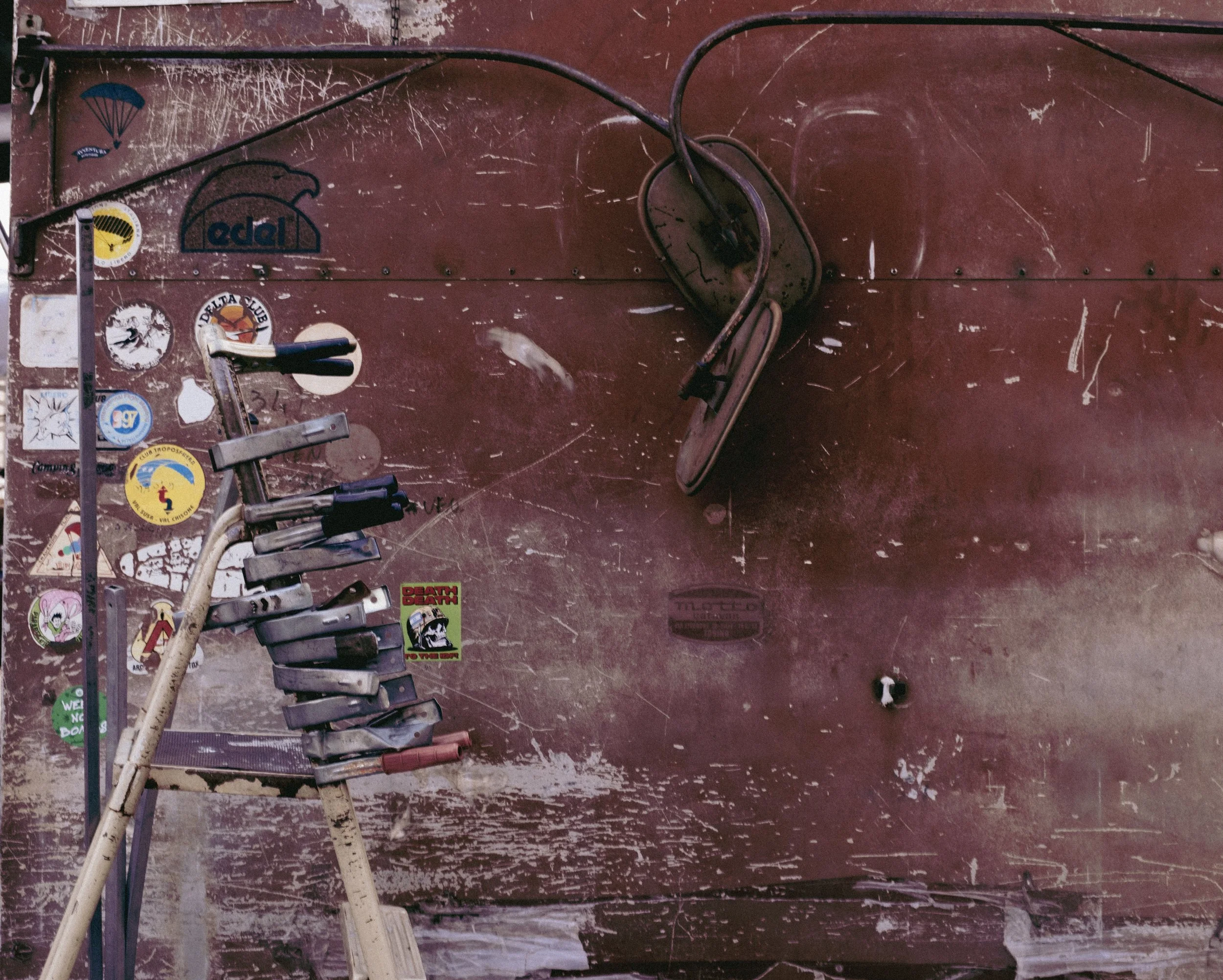
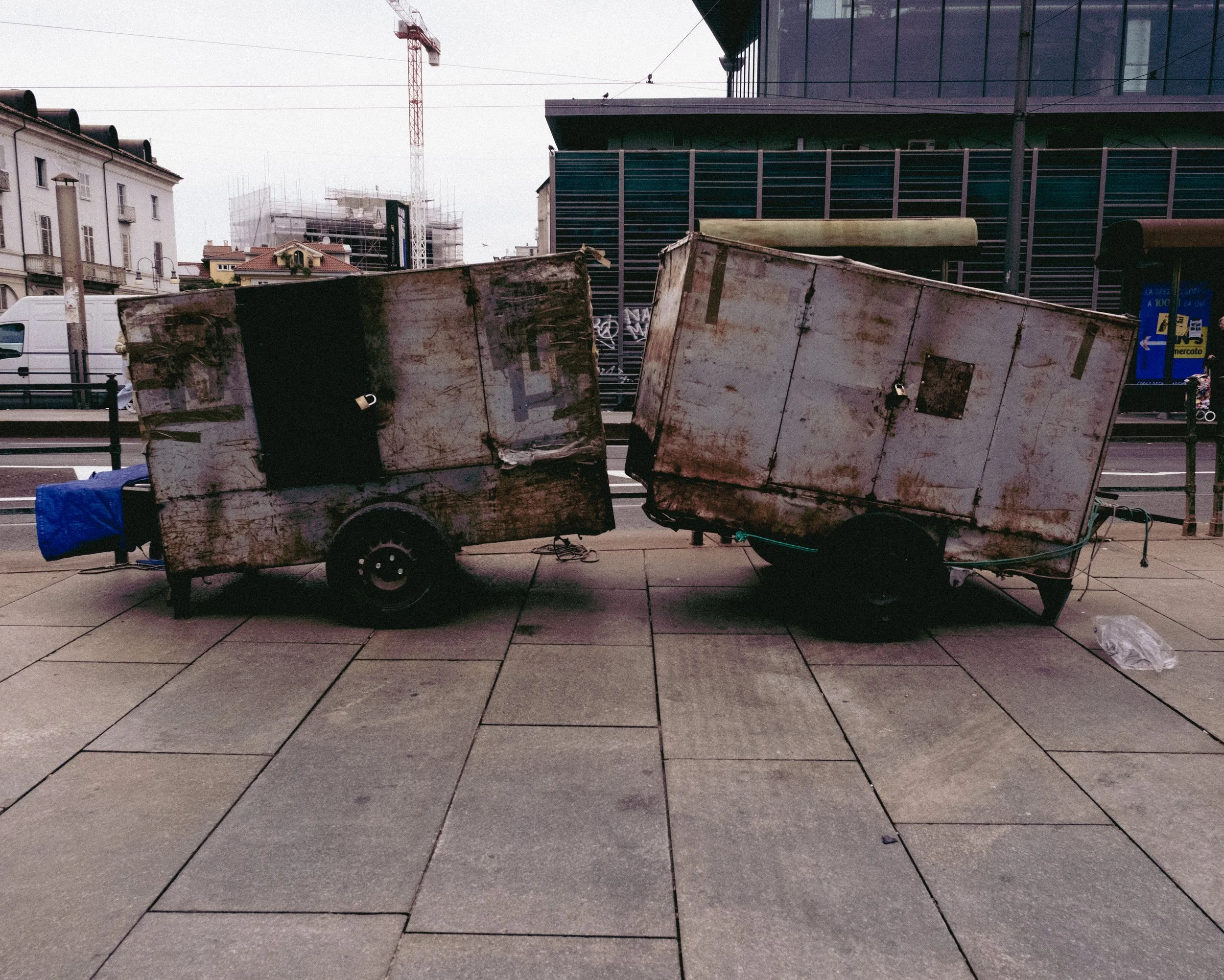
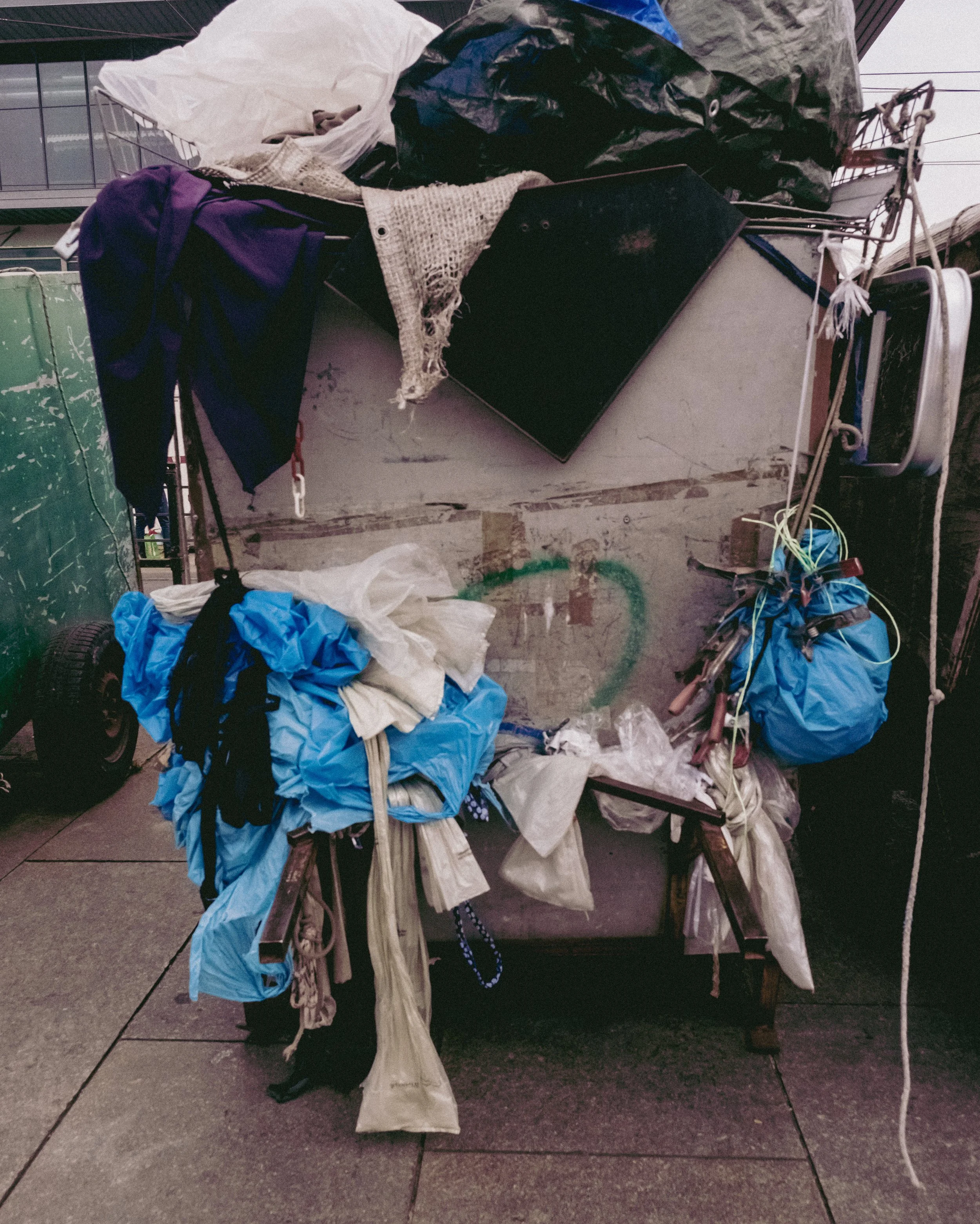
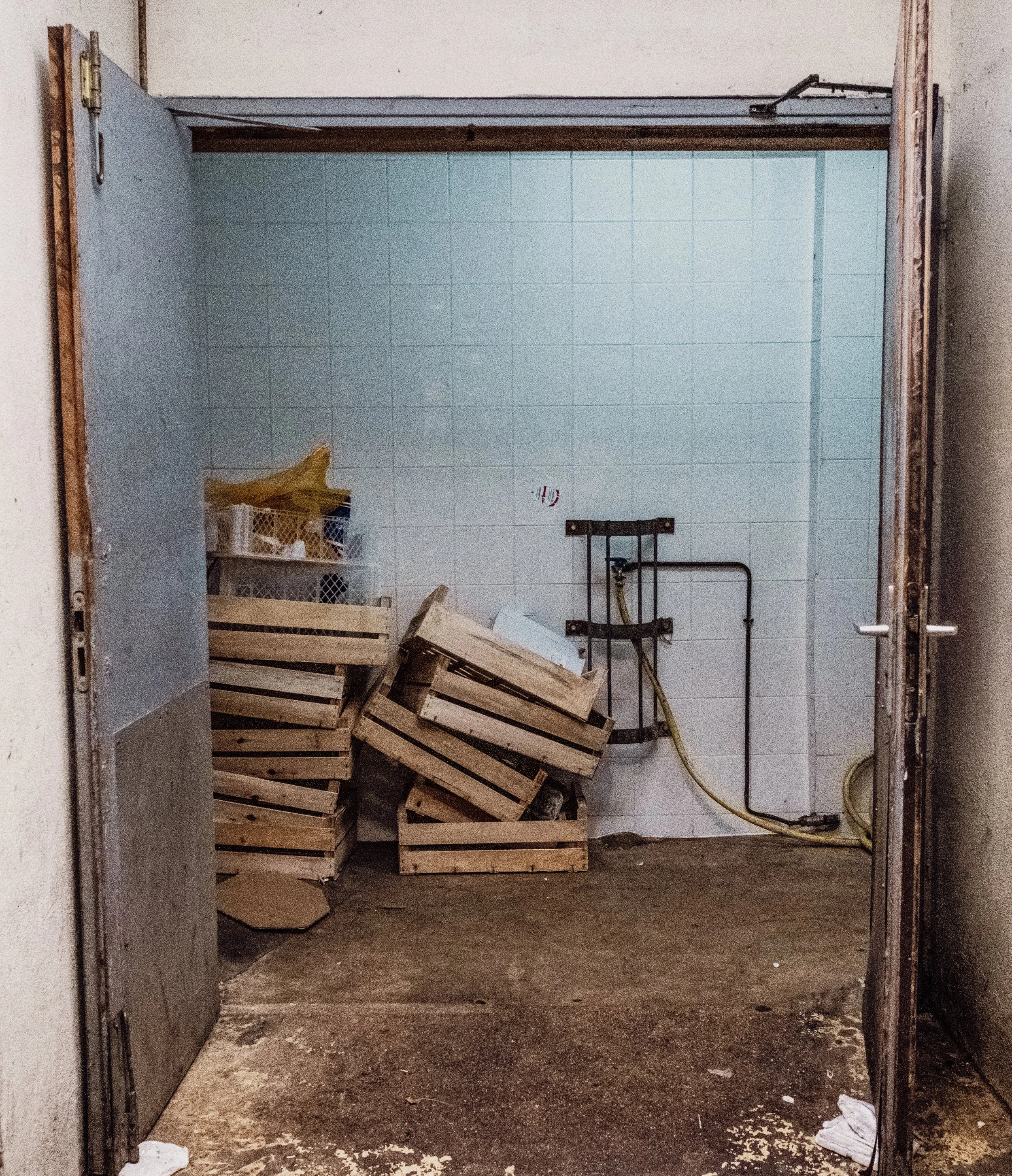
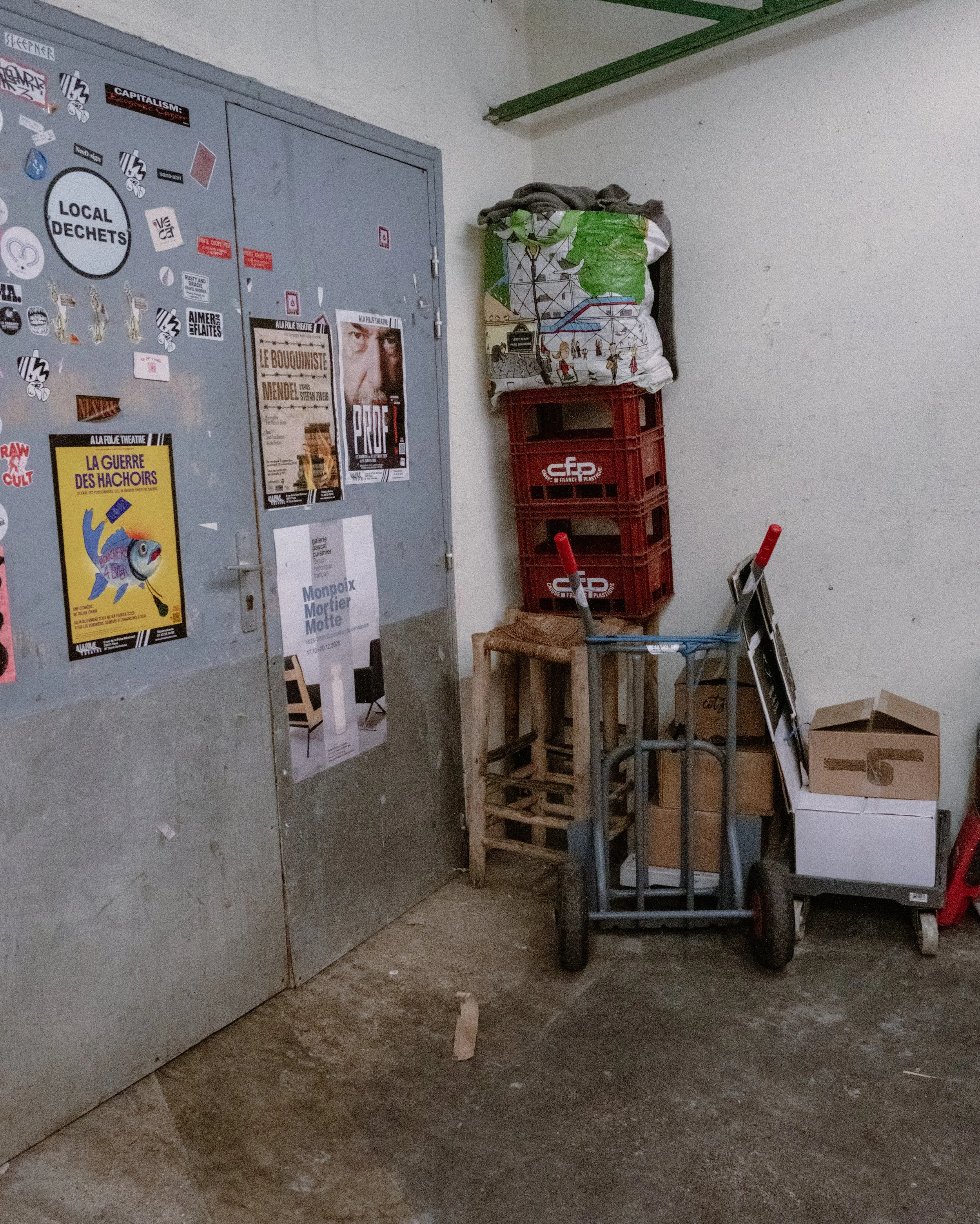
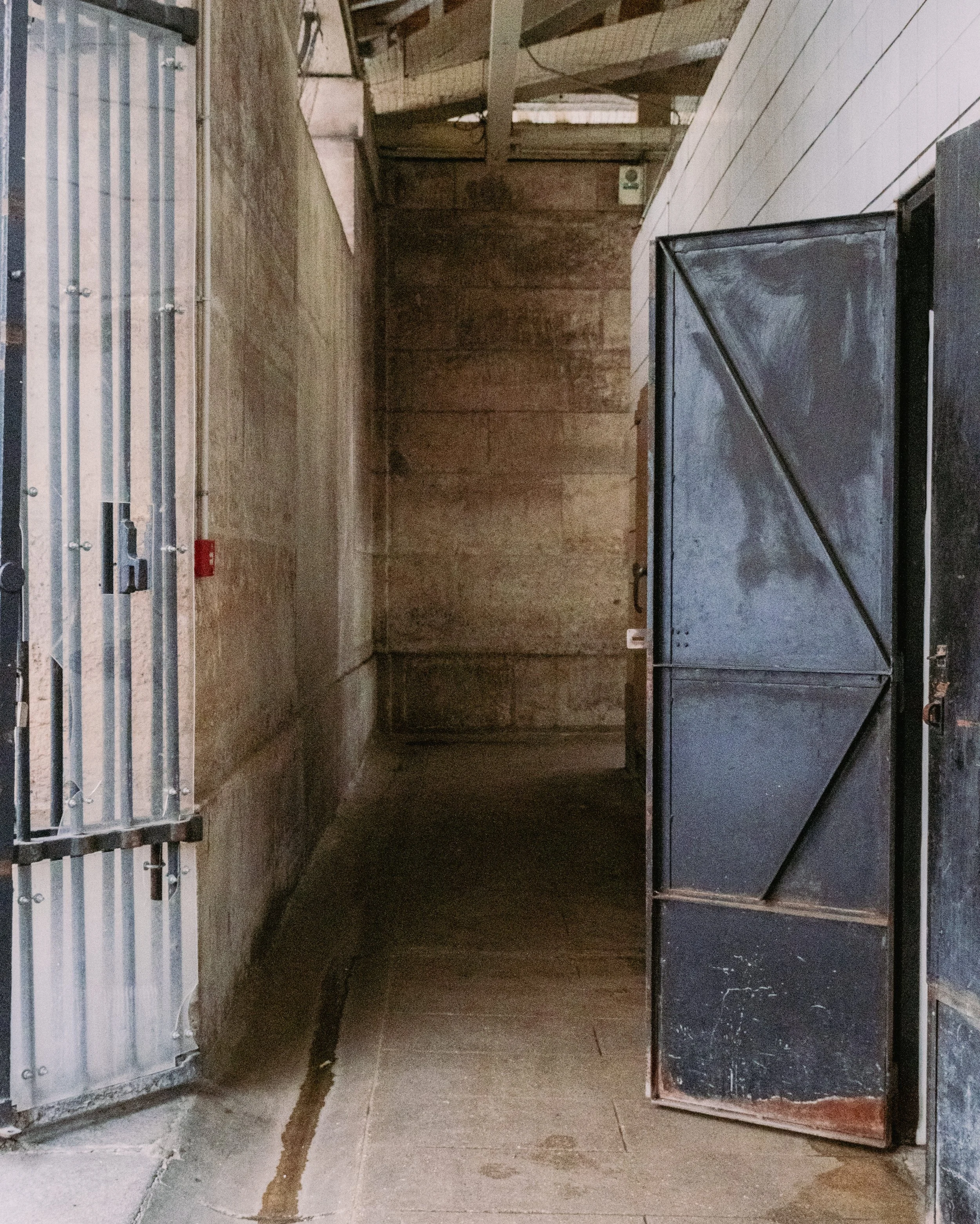
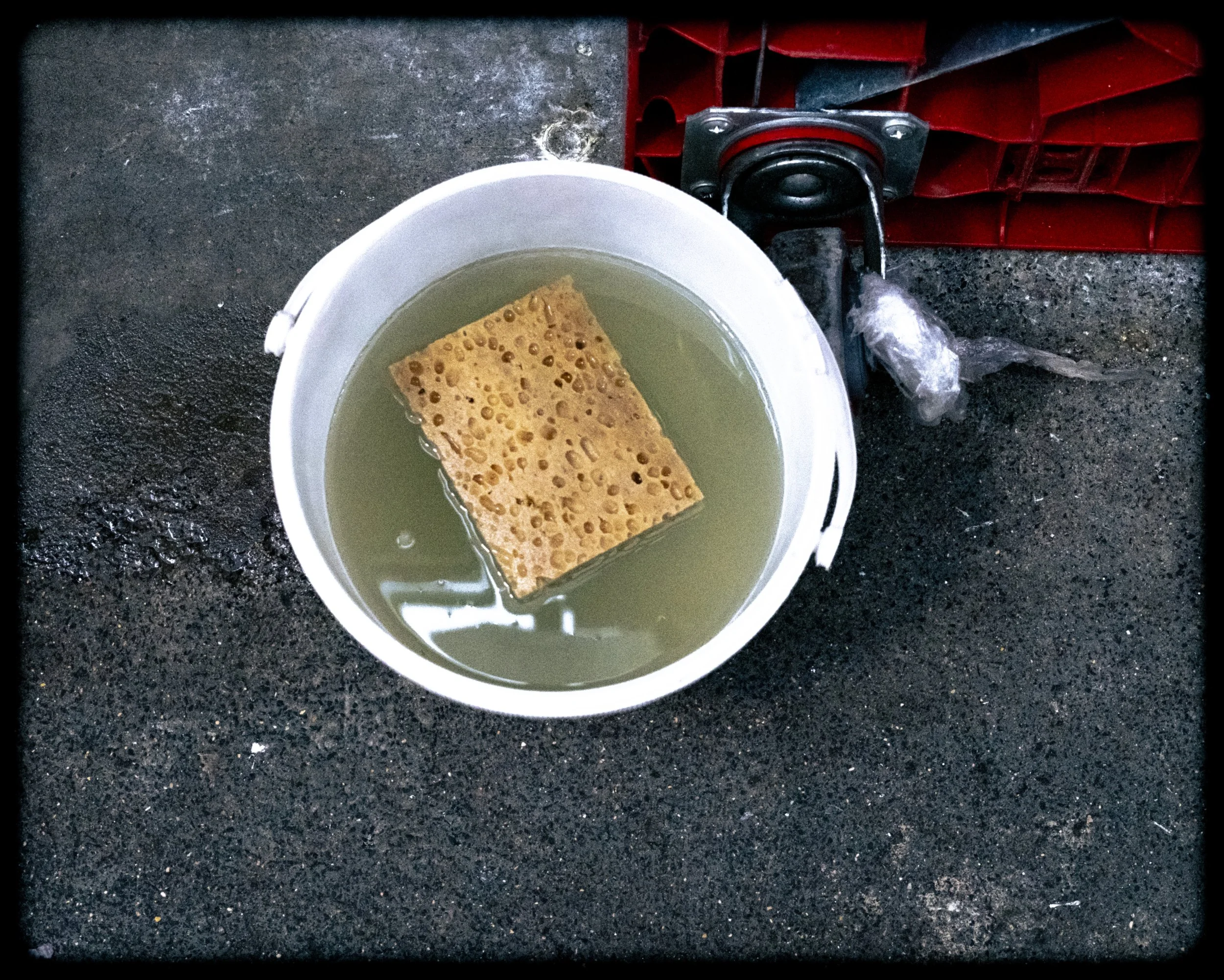
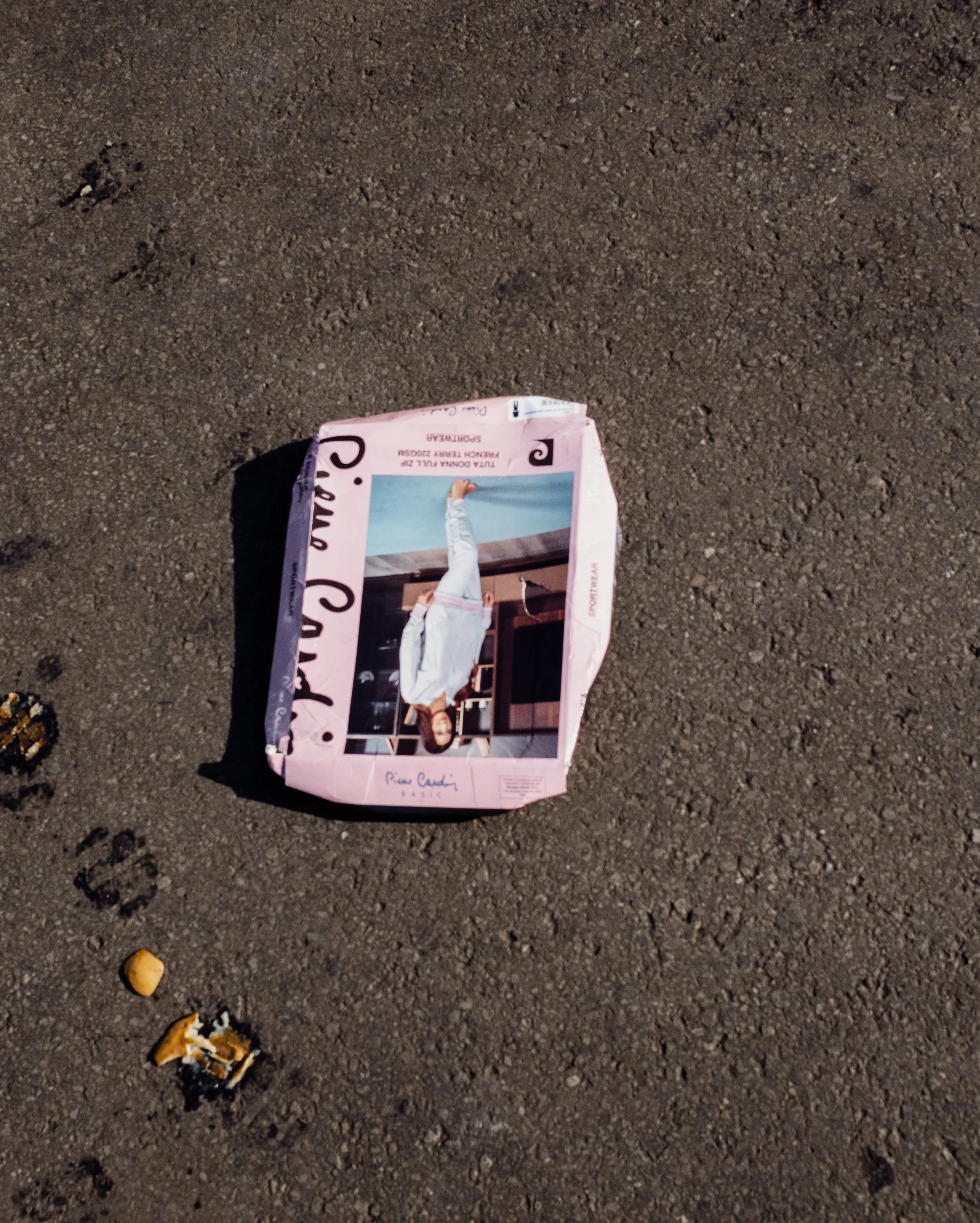
Piece of bread is a memory from when my mother, when I was a child, took me to the market every Sunday morning. From the point of view of a child who had never been to a market before, the presence of different cultures, exchanges and conversations—this place full of life—always fascinated me. What intrigued me most were the urban elements of the market: what enters in the market and what remains there over time. It is one of those moments where the world feels united.
The idea of exploring urban elements stems from a desire to create a silent environment—one that strips away the chaos and noise of the market to allow architecture to come to life. I use the supermarket as a lens to rethink how architectural typologies can be redesigned for a rapid climate transition. Although supermarkets are often dismissed as mundane big-box buildings, their current model of food retail—efficient and convenient as it may seem —is also precarious, opaque, and environmentally damaging. Because supermarkets depend on a locked-in food system, imagining a radically more sustainable alternative requires reframing them not simply as buildings, but as interfaces within wider, interconnected systems.